The True Price of Accessible Motoring: VAT Relief, Insurance, and Running Costs Explained
For many disabled and elderly drivers in the UK, the focus when acquiring a wheelchair-accessible vehicle (WAV) falls almost entirely on the upfront purchase price. It is understandable — adapted vehicles carry a considerable price tag — but concentrating solely on that figure can leave buyers financially unprepared for what follows. Specialist insurance premiums, routine servicing of complex adaptive equipment, and the administrative burden of managing various relief schemes all contribute to a total cost of ownership that rarely features in showroom conversations.
This guide aims to change that. By examining each layer of expenditure in turn, and identifying where legitimate savings exist, drivers and their families can approach accessible motoring with clarity and confidence.
Understanding VAT Relief on Adapted Vehicles and Equipment
One of the most significant — and frequently misunderstood — financial advantages available to disabled drivers in the UK is relief from Value Added Tax. Under HMRC's guidelines, individuals who are chronically sick or disabled may purchase certain vehicles, adaptive equipment, and services at the zero rate of VAT, effectively saving 20 per cent on qualifying items.
To be eligible, you must be buying the goods or services for your own personal or domestic use, and your disability must meet HMRC's qualifying criteria. Importantly, the relief applies not only to purpose-built WAVs but also to a range of adaptations fitted to standard vehicles — including hand controls, wheelchair hoists, swivel seats, and steering aids.
However, there are important boundaries. VAT relief does not automatically apply to every item associated with accessible motoring. Routine vehicle consumables such as tyres and fuel fall outside the scheme. Buyers should request a VAT 1615 eligibility declaration from their supplier and retain documentation, as HMRC may request evidence that the relief was legitimately claimed.
For those purchasing through the Motability Scheme, VAT relief is typically handled at the point of sale, removing much of the administrative complexity. Independent buyers, however, must be proactive in asserting their entitlement — suppliers are not always forthcoming about zero-rating eligibility.
Specialist Insurance: Why Premiums Differ and How to Reduce Them
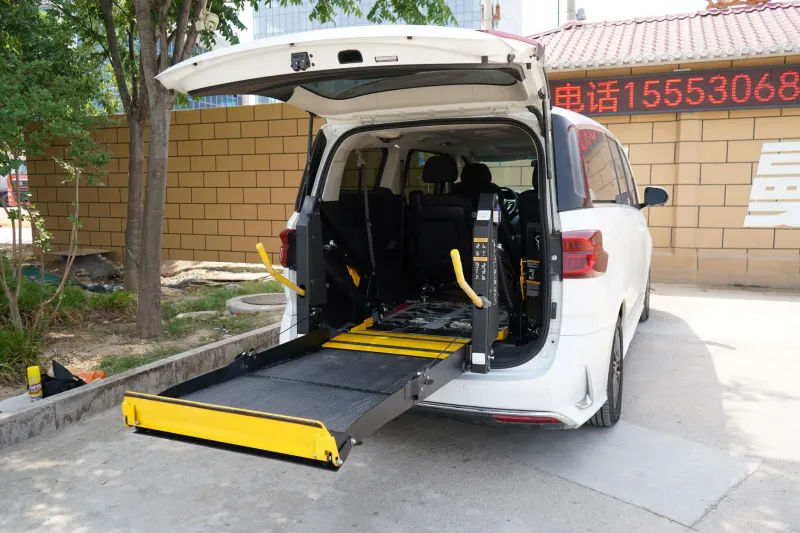
Insuring a wheelchair-accessible vehicle is rarely straightforward. Standard motor insurers frequently struggle to accurately assess the risk profile of adapted vehicles, which can result in inflated premiums or, in some cases, outright refusal of cover. The presence of complex equipment — hydraulic ramps, electronic hoists, lowered floors — increases both the vehicle's replacement value and the potential cost of repairs following an accident.
Several insurers now specialise in cover for disabled drivers and WAV owners, and approaching these providers directly is strongly advisable. Companies such as Adrian Flux, Fish Insurance, and Able2 have developed products tailored to the specific needs of this market, often including cover for adaptive equipment as standard rather than as a costly add-on.
When comparing policies, pay close attention to the following:
- Agreed value versus market value: Adapted vehicles depreciate differently from standard cars. An agreed value policy ensures you receive a pre-determined sum in the event of a total loss, protecting the investment made in specialist equipment.
- Adaptation cover limits: Verify that the policy explicitly covers the full replacement cost of all fitted adaptations, not merely the base vehicle.
- Named driver restrictions: Some policies limit cover to the disabled driver or a small number of named individuals, which may not suit households where multiple people assist with driving.
- Breakdown and recovery: Ensure your breakdown cover provider can accommodate a vehicle with a lowered floor or non-standard dimensions, as standard recovery vehicles are not always equipped to transport WAVs safely.
Shopping around annually remains the most effective way to manage insurance costs, though loyalty to a specialist insurer who understands your vehicle's requirements often has practical value beyond the premium figure alone.
Servicing and Maintaining Adaptive Equipment
The mechanical complexity of a wheelchair-accessible vehicle extends well beyond that of a conventional car. In addition to routine servicing — oil changes, brake inspections, tyre replacements — owners must account for the maintenance of specialist components that standard garages are frequently ill-equipped to service.
Hydraulic ramp systems, for example, require periodic inspection of seals, fluid levels, and electronic controls. Hoists and lifts contain moving parts subject to wear, and their safe operation depends on regular professional assessment. Lowered floor conversions can affect the vehicle's structural integrity in ways that require specialist knowledge to evaluate correctly.
Many WAV manufacturers and converters offer dedicated service packages, and it is worth considering these at the point of purchase. While they represent an additional outgoing, they provide assurance that work is carried out by engineers familiar with the specific conversion. Independent garages should only be used for adaptive equipment servicing if they hold relevant qualifications — ideally those accredited by the British Mobility Industry, which oversees quality standards within the sector.
Budget-conscious owners should set aside a dedicated maintenance reserve. A reasonable working estimate for adaptive equipment servicing — separate from standard vehicle maintenance — is between £200 and £600 per year, depending on the complexity of the conversion and the frequency of use.
Road Tax, Blue Badge, and Other Relief Schemes
Disabled drivers may be entitled to a full exemption from Vehicle Excise Duty (road tax), provided they receive the higher rate mobility component of Disability Living Allowance (DLA), the enhanced rate mobility component of Personal Independence Payment (PIP), or certain other qualifying benefits. This exemption is claimed through the DVLA and can represent a saving of several hundred pounds annually depending on the vehicle's emissions band.
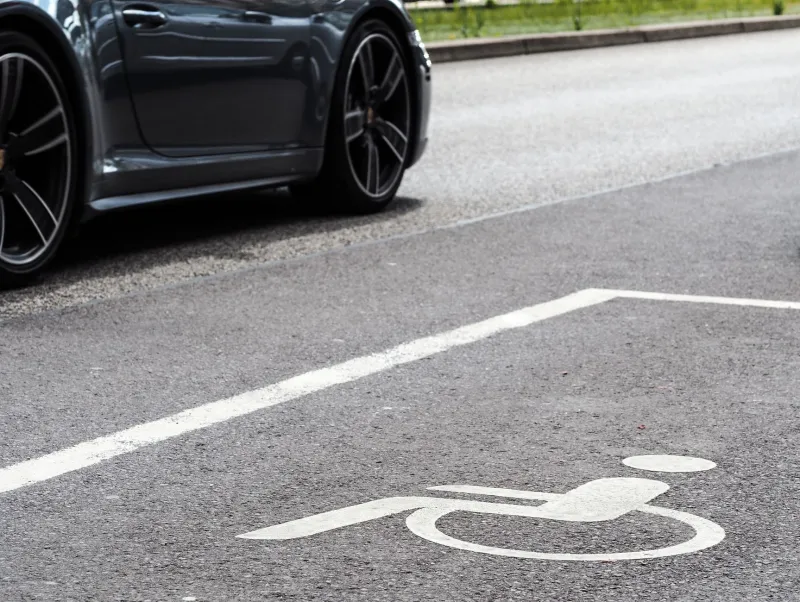
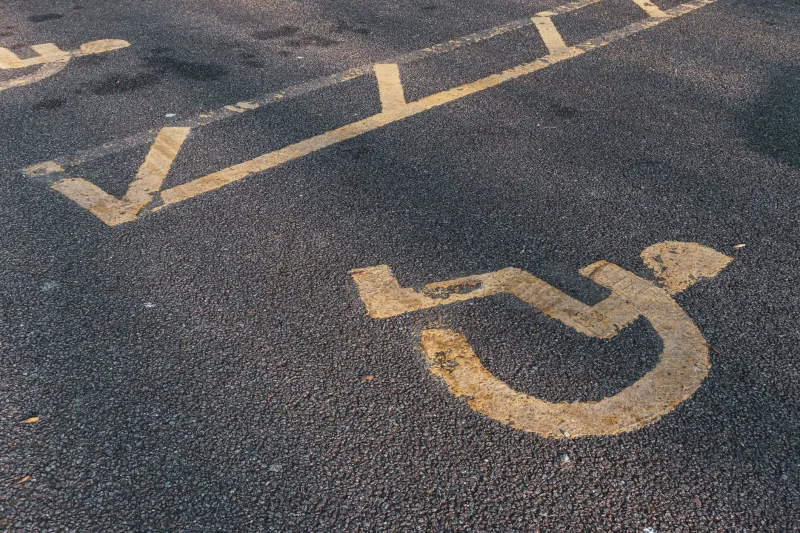
The Blue Badge scheme, while primarily associated with parking concessions, also carries indirect financial benefits. Badge holders are exempt from charges in many local authority car parks and are permitted to park on yellow lines for up to three hours in most circumstances, reducing the cost and stress of urban travel considerably.
Less widely publicised is the Disabled Facilities Grant, administered by local councils in England, which can fund adaptations to a vehicle used in connection with a disabled person's home-based care needs. Eligibility criteria vary between authorities, and applicants should contact their local council directly to establish whether their circumstances qualify.
Building a Realistic Budget
Approaching accessible motoring without a comprehensive budget is a risk few can afford. The following framework offers a starting point for annual cost planning:
- Insurance: £800–£2,000 depending on vehicle type, adaptations, and driver profile
- Road tax: £0 (if exempt) to £600+
- Routine vehicle servicing: £300–£700
- Adaptive equipment maintenance: £200–£600
- Tyres and consumables: £200–£400
- Breakdown cover: £80–£200
These figures are indicative rather than definitive, and individual circumstances will vary significantly. The critical discipline is to account for every category before committing to a vehicle, rather than discovering shortfalls once ownership has begun.
Final Thoughts
Accessible motoring in the UK carries a genuine financial premium, but that premium can be managed effectively with the right knowledge. VAT relief, road tax exemptions, and specialist insurance products exist precisely to reduce the burden on disabled drivers — yet too many eligible individuals remain unaware of their full entitlements. By understanding the complete cost picture from the outset, and by making use of every legitimate relief scheme available, owners of wheelchair-accessible vehicles can ensure that independent mobility remains both achievable and sustainable.