Dealer Dynamics: How to Secure a Fairer Deal on a Wheelchair-Accessible Vehicle in the UK

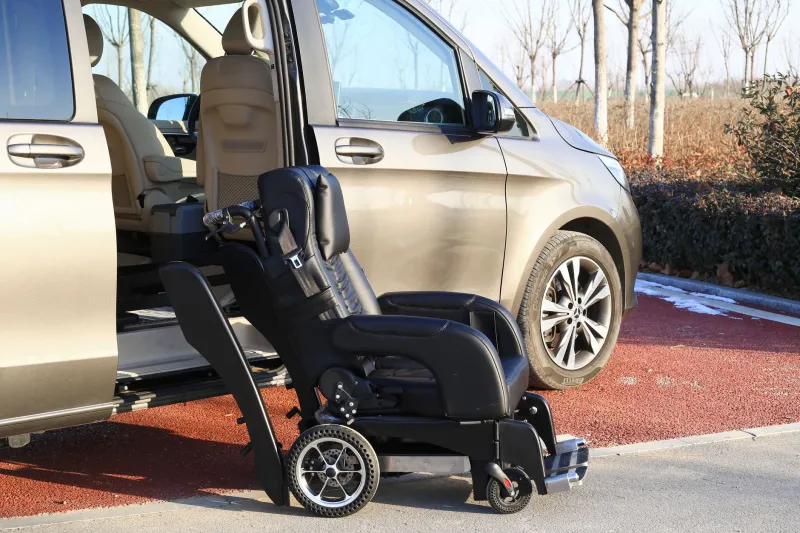
Purchasing a wheelchair-accessible vehicle (WAV) is one of the more significant financial decisions a disabled or elderly driver will make. Yet unlike buying a standard hatchback, the process involves layered costs — base vehicle, conversion work, aftermarket adaptations, and ongoing servicing — each of which carries its own margin and negotiating room. Many buyers, understandably focused on finding a vehicle that meets their mobility needs, overlook the commercial dynamics at play. That oversight can be costly.
This guide does not suggest that dealers act in bad faith. The majority of reputable WAV specialists and mainstream dealerships operating in the accessible vehicle space provide a genuine service. However, like any commercial transaction, the terms are rarely fixed, and an informed buyer will almost always secure a better outcome than one who accepts the first figure presented.
Understand What You Are Actually Paying For
Before entering any negotiation, it is worth separating the components of a WAV purchase into distinct categories: the base vehicle, the conversion or adaptation, and any ancillary equipment such as hoists, restraint systems, or hand controls.
Each element has its own supply chain. A dealer selling a converted vehicle has typically purchased the base vehicle from a manufacturer or at auction, commissioned conversion work from a specialist — or, in some cases, handled it in-house — and added a retail margin across the package. Understanding this structure matters because it reveals where flexibility genuinely exists.
Conversions from established UK companies such as Allied Mobility, Brotherwood, or Lewis Reed carry their own market prices. If a dealer is quoting you a figure for a rear-entry ramp conversion, for instance, it is entirely reasonable to research what that conversion costs when sourced directly. This intelligence gives you a credible basis for discussion.
Research the Market Before Setting Foot in a Showroom
The single most effective preparation any buyer can undertake is thorough market research. Platforms such as Autotrader, Mobility Vehicle Sales, and WAV-specialist sites list comparable vehicles with full specifications. Noting the asking prices — and, where visible, how long vehicles have been listed — provides a realistic picture of market value.
Pay particular attention to vehicles that have been listed for extended periods. A WAV that has sat on a dealer's forecourt for three months represents a holding cost. That context creates negotiating leverage you would not have with a freshly listed vehicle.
Also investigate the Motability scheme's Advance Payment figures for adapted vehicles, even if you are purchasing privately. These figures reflect a form of standardised pricing that can serve as a useful benchmark when assessing whether a dealer's quote is reasonable.
VAT Relief Is Not a Dealer Concession — Know the Difference
One area where buyers occasionally misunderstand their position involves VAT relief. Under HMRC rules, disabled individuals purchasing a vehicle — or adaptations to a vehicle — for their personal use may be eligible to pay zero VAT on qualifying items. This relief is a statutory entitlement, not something a dealer is granting you as a favour.
Some buyers, grateful to receive VAT relief, inadvertently treat it as a concession and become less assertive about negotiating the pre-VAT price. These are entirely separate considerations. Securing VAT relief and negotiating a competitive base price are not mutually exclusive — pursue both.
Ensure you complete the relevant HMRC declaration (VAT1615A or similar) and confirm with the dealer which specific elements of your purchase qualify. Adaptations fitted to the vehicle are typically covered; standard vehicle features are not.
Negotiating Adaptations: What to Source Independently
Not all adaptations need to be purchased through the supplying dealer. Hand controls, steering aids, wheelchair restraint systems, and certain driving aids can often be sourced and fitted independently through Driving Mobility assessment centres or approved adaptation specialists — sometimes at considerably lower cost.
Before accepting a bundled quote, ask the dealer to itemise each adaptation separately. This does two things: it clarifies exactly what you are paying for, and it allows you to price individual components elsewhere. If a dealer is charging a significant premium on a particular item, you are within your rights to decline that element and arrange it independently.
Be mindful, however, that some dealers will only honour their warranty on the full package. Clarify the warranty implications of sourcing adaptations independently before making that decision.
Trade-In Values: The Hidden Negotiating Point
If you are trading in an existing accessible vehicle, its value is a significant element of the overall transaction. WAVs can be harder to value than standard vehicles because the market is more specialist, and some dealers will offer conservative trade-in figures knowing that buyers are less likely to shop the vehicle around.
Obtain at least two or three independent valuations before accepting any trade-in offer. WAV-specialist dealers may value your existing vehicle more generously than a mainstream dealership, simply because they have the customer base to move it. If a dealer's trade-in offer is substantially below independent valuations, that is a legitimate point of negotiation — and one that can be worth hundreds or even thousands of pounds.
Knowing When to Walk Away
Perhaps the most underused tactic in any negotiation is the willingness to leave. Dealers are aware that accessible vehicle buyers sometimes feel constrained by the limited number of suitable vehicles available, and that urgency can suppress the instinct to push back. Resist that pressure.
If a dealer is unwilling to move on price, consider whether there are alternative vehicles that would meet your needs, whether the timing of your purchase allows for patience, or whether a different dealership might offer comparable stock with more flexible terms. The UK WAV market, while specialist, is not so narrow that any single vehicle or dealer is irreplaceable.
Walking away — or credibly signalling that you are prepared to — is not adversarial. It is a standard commercial behaviour that most experienced dealers respect.
Build a Relationship, Not Just a Transaction
Finally, it is worth recognising that accessible vehicle purchases are rarely one-off events. Servicing, future adaptations, and subsequent vehicle changes mean that a good dealer relationship has long-term value for both parties. Approaching negotiations with professionalism and mutual respect — rather than treating the process as purely adversarial — tends to produce better outcomes over time.
A dealer who knows you are an informed, loyal customer is often more willing to offer competitive pricing, priority servicing slots, and favourable terms on future purchases than one who views you as a single transaction.
The goal is not to extract the maximum concession at the expense of a functional relationship. It is to ensure that the deal you agree reflects genuine market value, respects your statutory entitlements, and leaves you confident that your money has been spent wisely.