Left Behind: How Accessible Vehicle Design Too Often Neglects the Passenger Experience
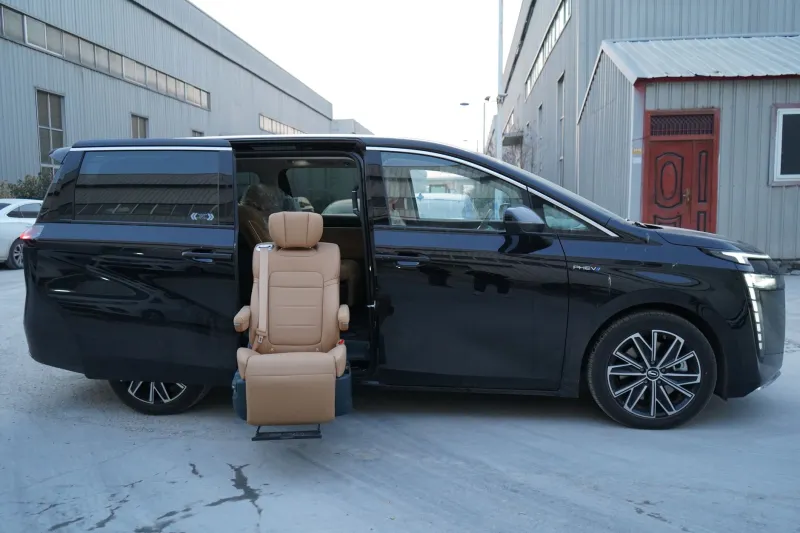
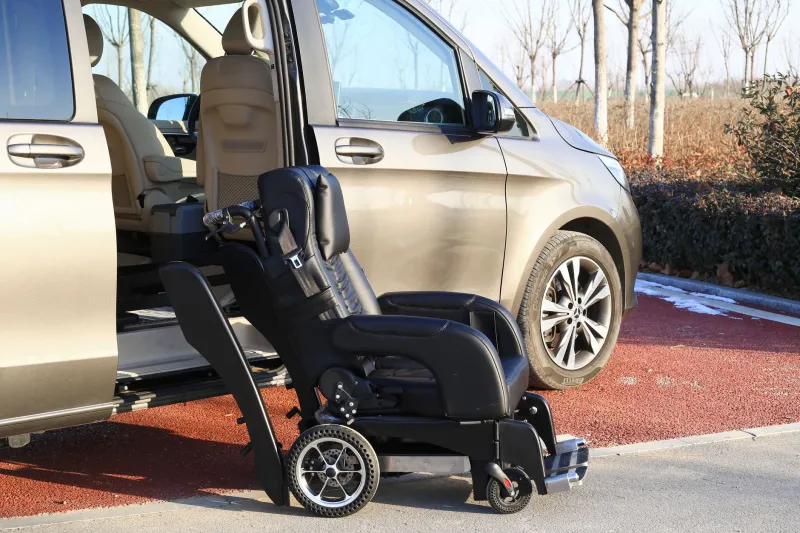
There is a quiet irony embedded in many accessible vehicle conversions. The engineering effort devoted to enabling a disabled driver to enter, exit, and operate a vehicle with confidence is, by any measure, impressive. Yet step into the rear of the same vehicle and you may find a different story: a cramped bench seat pushed forward to accommodate a hoist, an awkward floor profile created by a ramp mechanism, or a restraint system that was clearly not designed with adult passengers in mind.
This is the passenger problem—and it affects a significant number of accessible vehicle users in the UK.
The Design Hierarchy That Leaves Passengers Exposed
The accessible vehicle market, both in terms of regulation and commercial focus, has historically prioritised the needs of the disabled driver. This is entirely understandable. The adaptations required to enable someone who uses a wheelchair or has significant mobility impairments to drive independently are complex, costly, and safety-critical. They demand engineering attention.
But vehicles do not typically carry one person. Families, carers, and friends travel together, and the adaptations that liberate the driver can create a noticeably inferior environment for everyone else in the cabin. The issue is structural: when you modify a vehicle to accommodate a driver who uses a wheelchair, the interior geometry changes in ways that have downstream consequences for passenger space, comfort, and safety.
What Happens to the Rear Cabin
In many side-entry or rear-entry converted MPVs and vans, the floor has been lowered to provide clearance for a wheelchair user. This is essential for the driver but creates an uneven floor profile that can make seating arrangements for other passengers awkward or uncomfortable. Standard seat mounting points may be relocated, and the relationship between seat height and floor level can feel unnatural for passengers expecting a conventional seating position.
Rear-entry conversions, which allow a wheelchair user to be driven as a passenger rather than drive themselves, present a different set of challenges. The ramp or lift mechanism that folds out from the back of the vehicle occupies significant internal volume when stowed. In smaller conversions based on vehicles such as the Volkswagen Caddy or Peugeot Partner, this can reduce rear passenger space to the point where adults travelling alongside the wheelchair user find the journey genuinely uncomfortable on anything beyond a short trip.
Side-entry conversions typically fare better for overall passenger space, but the conversion process still frequently results in the front passenger seat being removed or repositioned to create a driving position for the wheelchair user. In those cases, the vehicle's effective passenger capacity drops, and the remaining seats may be in positions that feel isolated from the driver.
The Restraint System Question
Perhaps the most serious dimension of the passenger problem is restraint. Wheelchair restraint systems—the tie-down mechanisms and occupant restraints used when a wheelchair user travels as a passenger—are subject to specific standards in the UK, principally ISO 7176-19 and the associated crash testing requirements. When these systems are properly specified, installed, and maintained, they provide meaningful crash protection.
However, the secondary passengers in accessible vehicles—those seated on conventional seats alongside a wheelchair user—are not always as well protected as they would be in an unmodified vehicle. Conversion work can alter the structural integrity of seat mounting points, affect the routing of seatbelt anchorages, and in some cases result in seating positions that were not part of the original manufacturer's safety testing programme.
This does not mean accessible vehicle conversions are inherently unsafe for passengers. Reputable converters work to standards set by bodies such as the British Healthcare Trades Association and submit their work to appropriate testing. But buyers should ask specific questions about passenger restraint safety when commissioning or purchasing a converted vehicle, and should not assume that because the driver's adaptations are certified, the broader passenger environment has received equivalent scrutiny.
Practical Steps for Buyers and Current Owners
For those purchasing an accessible vehicle, the passenger experience should be part of the evaluation process from the outset—not an afterthought once the conversion specification has been agreed.
Trial the rear seating before you commit. Ask the dealer or converter to allow adults of different heights to sit in the rear seats and provide honest feedback. A short test drive is more revealing than a static inspection.
Ask about seat type and anchorage certification. Replacement or repositioned seats in converted vehicles should be type-approved and properly anchored. Request documentation if it is not offered voluntarily.
Consider the specific journey profile. If you regularly carry passengers on longer routes—school runs, medical appointments, family visits—the comfort and safety calculus is different from occasional short trips. Be honest with yourself about how the vehicle will actually be used.
Review wheelchair restraint systems with passengers in mind. If a family member will regularly travel as a wheelchair-using passenger, the restraint system specification matters enormously. Ensure it has been installed by a qualified technician and that all users understand how to operate it correctly.
Where the Industry Needs to Go
The accessible vehicle sector has made genuine progress in improving driver experience over the past decade. Vehicle manufacturers, converters, and mobility specialists have invested in better engineering, improved materials, and more thoughtful design. But the passenger experience has not kept pace.
There is a commercial argument for change as well as a moral one. Disabled drivers frequently travel with family members or carers, and a vehicle that works well for the driver but poorly for everyone else is a harder sell. Converters who invest in passenger comfort—better seat design, improved floor profiles, clearer restraint systems—are differentiating themselves in a competitive market.
For now, the responsibility falls largely on informed buyers. Knowing what questions to ask, understanding where the risks lie, and refusing to accept an inadequate passenger environment as an inevitable trade-off are the most effective tools available. The vehicle should work for everyone on board—not just the person in the driver's seat.